Protein and Nutrition for Lifters: Targets, Timing and Real Food
To build muscle, aim for about 1.6 g of protein per kg of bodyweight per day; going up to 2.2 g/kg is a reasonable upper target. Spread it across 3–5 meals of roughly 0.4 g/kg each. Daily total matters far more than exact timing.

General education, not medical advice. AI-assisted research and drafting, human-edited and checked against the cited sources. How we work.
Key takeaways
- Daily protein total is the main driver — aim 1.6–2.2 g/kg.
- Spread it across 3–5 meals of roughly 0.25–0.40 g/kg.
- The post-workout window is hours wide, not minutes.
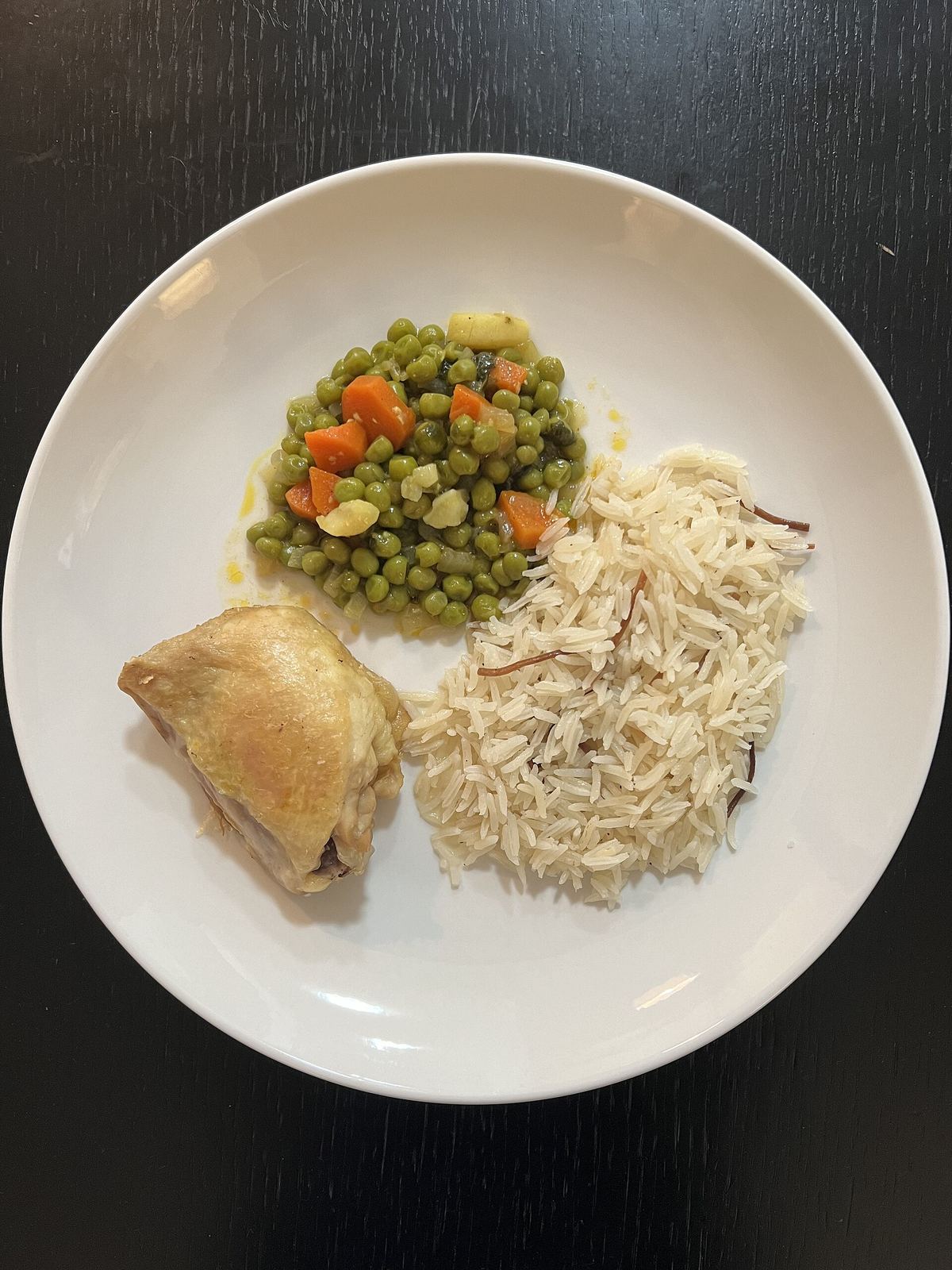
- Anchor meals with a complete protein plus vegetables.
- Carbs fuel training; fat supports hormones — balance both.
On this page
How much protein lifters actually need
Protein needs plateau for most trained people at roughly 1.6 g of protein per kg of body weight per day, with a practical range of about 1.4–2.0 g/kg and higher intakes offering little extra benefit, per the ISSN Position Stand — Protein and Exercise (JISSN) and the Morton et al. (2018) protein meta-analysis. Going far above that rarely adds benefit. Spreading intake across 3–5 meals of roughly 0.25–0.40 g/kg each, every three to four hours, is a common way to support muscle protein synthesis through the day.
If you would rather not do that arithmetic by hand, the protein calculator applies the same range to your bodyweight and shows the multiplication it used.
| Bodyweight | 1.6 g/kg (most people) | 2.2 g/kg (upper target) | Per meal at 0.4 g/kg | Meals needed |
|---|---|---|---|---|
| 50 kg (110 lb) | 80 g | 110 g | 20 g | 4–6 |
| 60 kg (132 lb) | 96 g | 132 g | 24 g | 4–6 |
| 70 kg (154 lb) | 112 g | 154 g | 28 g | 4–6 |
| 80 kg (176 lb) | 128 g | 176 g | 32 g | 4–6 |
| 90 kg (198 lb) | 144 g | 198 g | 36 g | 4–6 |
| 100 kg (220 lb) | 160 g | 220 g | 40 g | 4–6 |
| 110 kg (243 lb) | 176 g | 242 g | 44 g | 4–6 |
| 120 kg (265 lb) | 192 g | 264 g | 48 g | 4–6 |
Gains in fat-free mass plateaued around 1.6 g/kg/day in a meta-analysis, with an upper confidence limit near 2.2 g/kg (Morton et al., 2018). 0.4 g/kg per meal sits inside the 0.40–0.55 g/kg range suggested for bodybuilders by Iraki et al. (2019).
Does nutrient timing matter?
Less than the internet claims. The ISSN Position Stand — Nutrient Timing (JISSN) concludes that total daily protein and calories matter most; the 'anabolic window' is hours wide, not minutes. Having protein within a few hours of training is sensible, but don't panic if your shake is late. Consistency across the day beats obsessing over the post-workout minute.
Worked example: 80 kg lifter, 3 meals or 4?
The target at 1.6 g/kg is 128 g per day. At about 0.4 g/kg per meal, each meal holds roughly 32 g, so four meals (4 × 32 = 128 g) hit the target exactly. On three meals, each would need about 43 g, which is still fine. The daily total matters more than the split.
Calories and the rest of the plate
Protein builds; carbohydrates fuel hard training and recovery; fat is needed for normal hormone production. A rough starting split for lifters is protein at your target, fats around 0.8–1 g/kg, and the rest from carbs. Whole-food carbs — rice, potatoes, oats, fruit — power your sessions far better than restricting them.
Building simple high-protein meals
- Anchor each meal with 30–40 g of protein (chicken, fish, eggs, Greek yogurt, tofu, legumes).
- Add a whole-grain or starchy carb for training fuel.
- Fill half the plate with vegetables and fruit.
- Batch-cook proteins and grains to make hitting targets effortless.


Common questions
How much protein do I need to build muscle?
Aim for 1.6–2.2 g per kg of body weight daily, spread across several meals. This range supports muscle growth for people who train.
Do I have to eat protein right after my workout?
No. The post-workout 'window' is several hours wide. Total daily protein and calories matter far more than precise timing around your session.
Can vegetarians and vegans build muscle?
Yes. A mix of legumes, tofu, tempeh, dairy or fortified alternatives, and whole grains easily meets protein needs. Variety across the day covers all essential amino acids.
Do I need a protein shake?
No, but it is convenient. Whole foods can hit your target easily; shakes just make it simpler when you are busy or short on appetite. Treat powder as a tool to reach your total, not a requirement.
Does protein timing matter, and how should I spread protein through the day?
Total daily protein matters far more than timing. The ISSN suggests spreading it across meals of roughly 0.25 g/kg (about 20–40 g) every 3–4 hours, including one meal in the few hours around training (Jäger et al., 2017). The so-called 30-minute “anabolic window” is much wider than once believed, so a normal meal before or after the gym is enough.
Limitations of this guide
Most protein studies involve healthy adults. Anyone with kidney disease, or under medical supervision for diet, should get individual advice before raising protein intake.
References
- Morton RW, Murphy KT, McKellar SR, et al. (2018). A systematic review, meta-analysis and meta-regression of the effect of protein supplementation on resistance training–induced gains in muscle mass and strength. British Journal of Sports Medicine, 52(6), 376–384. PubMed (opens in a new tab)
- Jäger R, Kerksick CM, Campbell BI, et al. (2017). International Society of Sports Nutrition position stand: Protein and exercise. Journal of the International Society of Sports Nutrition, 14, 20. PubMed (opens in a new tab)
- Iraki J, Fitschen P, Espinar S, Helms E (2019). Nutrition recommendations for bodybuilders in the off-season: A narrative review. Sports, 7(7), 154. PubMed (opens in a new tab)
- Kerksick CM, Arent S, Schoenfeld BJ, et al. (2017). International Society of Sports Nutrition position stand: Nutrient timing. Journal of the International Society of Sports Nutrition, 14, 33. PubMed (opens in a new tab)
Related tool: Protein Calculator. A daily protein range in grams for gaining, cutting or maintaining, split across your meals.
Open the protein calculatorRelated guides
This guide is general fitness education and does not replace advice from a doctor, registered dietitian or qualified coach. Stop any exercise that causes sharp pain. See the full disclaimer.